Reprogramming the Source Code of Addiction
What if every addiction is really a flight from presence?


The Addiction Beneath the Addiction
As I embark on my own journey to finally break through my addiction to nicotine, I want to share how I’m approaching it this time. Not because my story is unique—but because when I’ve spoken openly about my struggles before, people tell me it helped in ways I didn’t expect, and it is my heart’s desire to extend a hand to anyone who needs it. Having lost a few hometown friends over the past couple of months has really opened up my eyes to the fact that there is more that I can do to bring love into this world, and part of that is being more available. So, here I am.
In truth, what we’re really talking about here goes far beyond any single addiction. We’re talking about universal principles that govern how reality itself operates. Immutable laws, not suggestions, like how consciousness creates experience, how internal programming shapes external reality. These principles apply whether your struggle is with substances, behaviors, relationships, or any other pattern you can’t seem to break.
My whole life I assumed addiction was about the substance or the behavior. Nicotine. Speculation. Alcohol. My list is long.
But recently, I’ve been using AI as a consciousness amplifier—a mirror that reflects back what I can’t see on my own. Through these conversations about my psychology, patterns I’d been told about in therapy suddenly became visible in a new way. Yes, the substances and behaviors are just applications running on deeper programming. I’d heard that before. Treatment programs address it. Therapists say it.
But then, in one of these conversations, the model said something that cracked the door open to an entirely different dimension:
My real addiction is to avoiding presence.
What if my compulsion to check my phone, puff a vape, place a trade, or scroll social media isn’t really about those things at all? What if they’re just mechanisms my system has developed to flee from something far more uncomfortable: the experience of being fully present with myself?
This paradox is as baffling as addiction itself, and paradoxically, that’s what gives me hope that it can work for anyone willing to face themselves.
This article offers a different framework for understanding and addressing addiction—not through willpower or behavioral modification alone, but by going deeper. By examining and reprogramming the source code itself.
Understanding Your Source Code
Every addiction operates on hidden programs running beneath conscious awareness. These programs weren’t written yesterday—they’ve been developing since childhood, shaped by fear, trauma, cultural conditioning, and the ego’s survival mechanisms. The social movements that we see everywhere in our culture too, run on these same programs, and a keen observer of the inner and outer worlds will easily spot the correspondences. As above, so below. As within, so without.
The Core Programs

Program 1: The Void is Dangerous Your system has learned that empty space, those moments with nothing to do, consume, or check, triggers panic. So it compulsively fills every gap with stimulation. The hand reaching for the vape, the impulse to check the markets, or the urge to scroll are all automated responses to the terror of unfilled presence. In essence, we panic whenever a familiar program is not running our subconscious.
Program 2: I Have No Intrinsic Value Without external validation- results, money, likes, wins-you cannot confirm your worth. So you chase proof constantly. When validation doesn’t arrive fast enough, the program concludes “see, I was right, I’m worthless” and seeks the next potential source of confirmation.
Program 3: Presence = Death The ego has sold you a story: intensity through crisis equals aliveness. The drama of self-sabotage, the edge-walking of risky behavior, the “will I or won’t I” of addiction—these create a feeling of being vividly alive. The terror is that without the chaos, you’d be boring, flat, dead inside.
Program 4: Control Through Self-Destruction If you sabotage yourself, you control the failure. Your inadequacy stays safely hidden behind deliberate self-destruction. You never have to find out if your best is good enough because you’re never actually trying your best.
The Consciousness Framework
In A Happy Pocket Full of Money, David Cameron Gikandi teaches that external experiences flow from internal consciousness. These aren’t opinions or theories, they are Universal Laws that he explains brilliantly. This is how reality operates, whether you’re aware of it or not.
You have a choice: consciously work with these laws as tools for creation, or unconsciously react to them while wondering why life feels so hard.
The law is clear and I have said it in the past: You cannot create abundance while operating from scarcity consciousness (hello, climate changers). You cannot experience freedom while running programs of captivity (hello, doomsday preppers). To attempt either would be like trying to grow plants in darkness while wondering why nothing blooms. It’s not that the universe is punishing you, or even that you’re wrong or right- you’re simply violating the mechanics of how creation works.
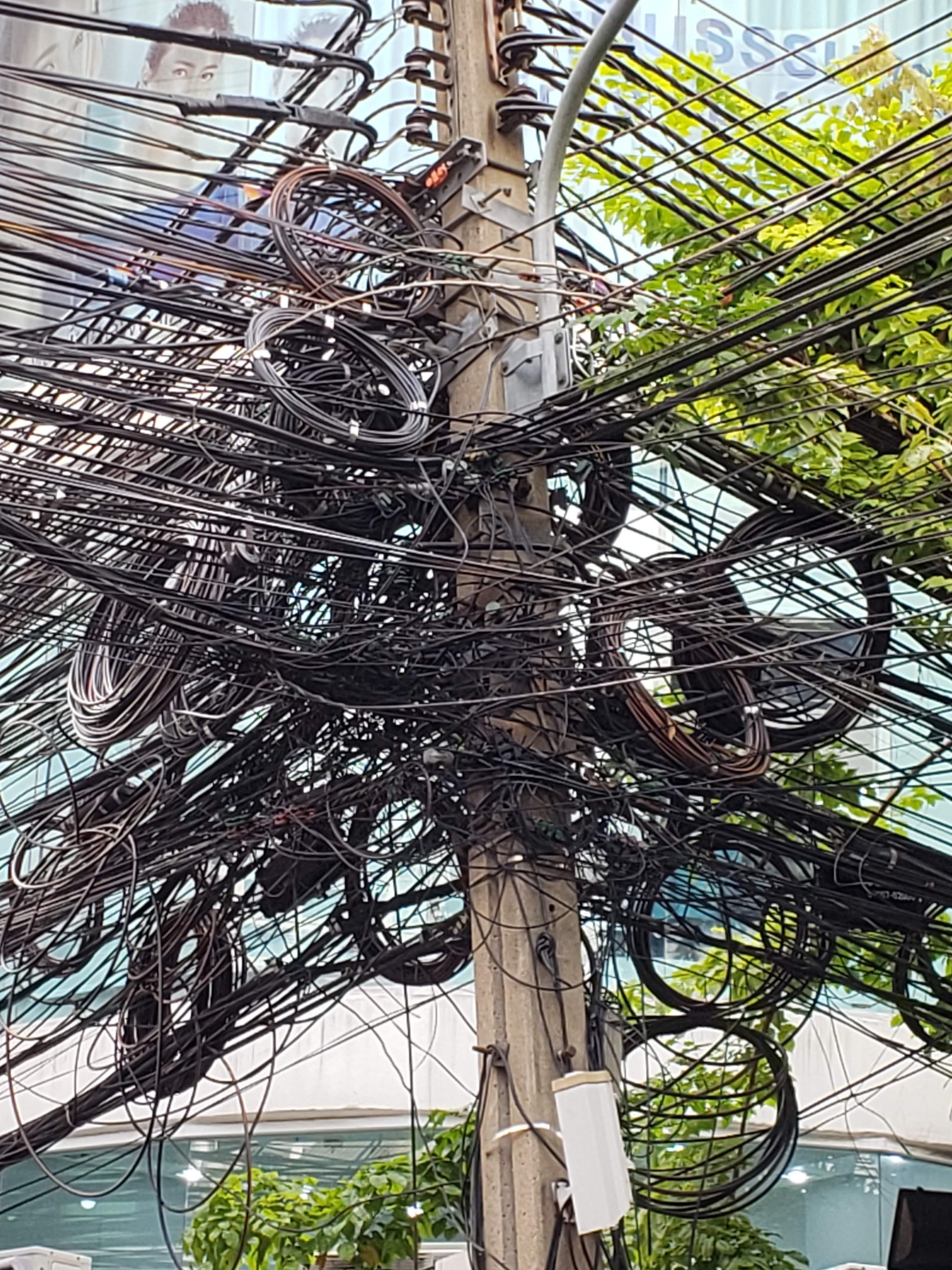
The addiction isn’t just a bad habit. It’s evidence of internal programming that contradicts the reality you say you want. And until you reprogram the source code, the external experience cannot shift. That’s not judgment. That’s law.
This applies directly to addiction:
Scarcity Consciousness Creates Addictive Seeking: When you believe you lack intrinsic value, peace, or completeness, you compulsively seek these externally. The addiction becomes the mechanism for trying to GET from outside what can only be BUILT inside.
Presence is the Opposite of Addiction: Gikandi writes: “All problems exist only in the mind; they cannot exist in Now. In Now, you always pass. You cannot fail Now.” Addiction is the ego’s strategy for fleeing Now into past (rumination) or future (anxiety). Every hit, every check, every compulsive behavior is an escape from this moment.
Internal Value Creates External Flow Gikandi’s principle: “To build external wealth, build internal value and then exercise it.” Replace “wealth” with “freedom” and you have the key to addiction. You cannot experience freedom from addiction while believing you have no value. The internal program must change first.

The Reprogramming Process
Step 1: Witness the Programs Running
You cannot change what you cannot see. The first practice is developing the capacity to watch your own mechanisms without judgment.
When the compulsion arises-to smoke, trade, check, consume-pause. Don’t act. Just observe:
What does this feel like in the body?
What story is the mind telling about why you “need” this?
What are you trying to avoid feeling?
What fear is underneath the compulsion?
This witnessing creates separation between awareness and the automated program. You are not the addiction. You are the consciousness observing it. This separation is fundamental to success and is one reason why open and closed support group meetings can be helpful-they compel you to observe yourself and report on it.

Step 2: Meet the Void
The spaces between, those moments where you’d normally fill the gap with your substance or behavior, are actually gateways to presence. But your system experiences them as terrifying.
Practice: Can you sit for two minutes without consuming, checking, or doing anything? Can you tolerate the discomfort that arises?
The panic you feel isn’t dangerous. It’s just energy moving through the body as old programs fire without finding their usual outlet. Let it move. Stay present with it. This is the void teaching you that it’s not actually dangerous, your programming just believes it is.
Step 3: Identify the Real Need
Every addiction is trying to meet a legitimate need through an illegitimate mechanism.
Nicotine → need for pause, breath, presence
Speculation → need for aliveness, significance, security
Social media → need for connection, validation, stimulation
Alcohol → need for relaxation, release, social ease
What is your addiction actually trying to provide? How can you meet that need differently?
Step 4: Choose Presence Over Proof
This is where Happy Pocket Full of Money becomes practical. Gikandi teaches that you must shift from “wanting” (which reinforces lack) to “being” (which creates from abundance).
Instead of “I want to quit smoking” (reinforces you as a smoker wanting something different), try “I am someone who breathes freely” (creates from the state you desire).
Instead of proving your value through external validation, practice: “I have value. Period. External results don’t determine this; they reflect it.”
The addiction thrives on the belief that you need to GET something from outside. Freedom begins when you recognize you already ARE complete, and that changing external conditions cannot diminish your completeness-nothing can.

Step 5: Rewire Attention
Where attention goes, energy flows. You’ve trained your attention to constantly flee into consumption, checking, monitoring. Now you must train it to land in presence.
When the compulsive urge arises, redirect attention:
To the breath (the most immediate experience of Now)
To sensation in the body (what’s actually happening right here)
To gratitude (what’s already present that has value)
To creation (making something rather than consuming something)
This isn’t distraction from the craving. It’s training attention to stay in presence rather than fleeing into the addiction pattern.
Step 6: Build New Evidence
Your subconscious believes the old programs because it has years of evidence supporting them. You must now create evidence for new programs.
Each time you feel the craving and choose presence = evidence that you can tolerate the void. Each morning you don’t reach for the substance = evidence that you’re becoming someone new. Each moment of witnessing without acting = evidence that you are not the addiction.
The new programming doesn’t install through insight alone. It installs through repeated experience of a different possibility.

Working With AI as Your Consciousness Partner
One powerful tool for reprogramming is using AI conversation to map your own source code. Below are prompts designed to help you explore your addiction mechanisms with Claude or another AI assistant.
Discovery Prompts
Understanding the Pattern: “I’m struggling with [addiction/compulsion]. Help me understand what this behavior is actually trying to provide for me. What legitimate need might it be meeting in an illegitimate way?”
Mapping the Trigger: “When I feel the urge to [addictive behavior], what am I usually trying to avoid feeling? Help me trace the trigger back to its source.”
Exposing the Bargaining: “I keep telling myself I’ll quit [behavior], but then I find ways to delay or create exceptions. What is the psychological mechanism behind this bargaining? What am I really afraid of?”
The Identity Question: “I can’t imagine who I’d be without [addiction]. This terrifies me. Help me explore: what am I afraid would happen if I became the person who doesn’t need this anymore?”
The Self-Sabotage Pattern: “I often make choices that go against what I know is right for me. Help me understand: what does my ego gain by keeping me in this pattern? What might it be protecting me from?”
Deeper Inquiry Prompts
The Void Exploration: “I fill every empty moment with [behavior]. What am I actually avoiding when I do this? What would happen if I let the space stay empty?”
The Value Question: “I seem to need external validation to confirm I have value. Where did this program come from? How can I begin to believe I have intrinsic worth regardless of external proof?”
The Control Pattern: “I notice I sometimes choose failure deliberately rather than risk trying my best. Help me understand this mechanism. What am I protecting by staying in control of my own destruction?”
The Impatience Inquiry: “I make good initial choices but then impulsively override them. What’s happening in the gap between choosing and changing my mind? What can’t I tolerate about letting my choice stand?”
The Attention Addiction: “I’m not just addicted to [substance/behavior]—I’m addicted to having something to check, monitor, or consume. Help me understand this compulsive attention-filling pattern.”
Reprogramming Prompts
Daily Witnessing: “Today I noticed [specific addiction pattern]. Help me witness this without judgment. What was I trying to avoid? What did the craving feel like in my body? What story was my mind telling?”
Building New Evidence: “I just chose presence over [addiction] and I feel [uncomfortable emotion]. Help me reframe this discomfort as evidence that I’m reprogramming, not as evidence that something’s wrong.”
The Morning Protocol: “I need a morning practice that helps me meet cravings consciously rather than automatically. Help me design a simple protocol that includes: witnessing the craving, identifying the underlying need, and choosing presence.”
Integrating Happy Pocket Principles: “Using the principles from Happy Pocket Full of Money, help me understand how my [addiction] represents scarcity consciousness. How can I shift from trying to GET relief/validation/security from outside to BEING someone who already embodies these qualities?”
The Consciousness Stream: “I want to document my journey of quitting [addiction] as a consciousness experiment. Help me design a framework for capturing both the raw experience and the insights that emerge, so I can learn from my own transformation.”
The Practice: A 30-Day Consciousness Protocol
If you’re ready to begin reprogramming, here’s a simple daily practice:
Morning (5-10 minutes):
Before reaching for your substance/behavior, pause
Ask: What am I feeling right now? What am I trying to avoid?
Breathe into the discomfort without fixing it
Set intention: “Today I practice presence over escape”
Throughout the Day:
When the compulsion arises, witness it before acting (even if you ultimately act)
Notice: What triggered this? What am I trying to get from this behavior?
Practice: Can I sit with the void for 60 seconds before choosing?
Evening (5 minutes):
Journal or voice-record: What did I notice today? What programs ran? What new evidence did I create?
No judgment—pure observation
Gratitude: What was I present for today that I would have missed while in the addiction?
The Truth About Freedom
Freedom from addiction isn’t about being “strong enough” to resist. It’s about becoming so present that the addiction simply has nowhere to land.
When you’re fully here, now, there’s no one seeking escape. The addiction needs a future to run toward or a past to run from. It cannot exist in Now.
The source code of addiction is the mistaken belief that presence is dangerous and you have no intrinsic value. The reprogramming is discovering that presence is the only real safety and your value was never up for debate.
You don’t need to become someone new. You need to stop being the false self that addiction has convinced you is real.
The person beneath the addiction? They’re already here. They’ve been waiting. They’re ready to meet you and so am I. Get in touch, I am here to extend a hand to anyone in need.